Das Seufzen
Mostrando postagens com marcador clipping de artigo. Mostrar todas as postagens

Prostitution in the Ottoman Empire

 
Prostitution, they claim, is the oldest profession in the world, but when it comes to Ottoman times very little is known - not just because little research has been done on it. While marriage, divorce, slavery and adultery are extensively regulated in Ottoman customary law and Muslim law, the sharia, prostitution is not. Moreover, researchers are inclined to complain that cases cited in Ottoman records are often not specific enough to determine whether a complaint of “immorality” actually involves prostitution.


One of the first times we hear about prostitutes is in the last years of Sultan Süleyman the Magnificent reign (r. 1522-1566). The incident occurred one day in 1565, according to Refik Ahmet Sevengil’s “Istanbul Nasıl Eğleniyordu.” The locals in a district called Sultangir got together and went to the local kadı (judge) and complained about five women who were residents of the area. The five women whose names were Arap Fati, Narin, Giritli Nefise, Kamer -who was also known as Atlı Ases - and Balatlı Yumni. The complaint was that these women were openly engaged in prostitution. Of the five women, only Arap Fati refused to appear before the judge when summoned. It was decided that the houses of these women would be sold and the women expelled from the city.

When the imam (prayer leader) came to Arap Fati’s house, she cursed the imam, the kadı and sharia law and it was determined that she had let strangers (men who were not her father, husband or brother) into her house. Her anger arose over the fact that she had had the same situation occur to her in a different area of Istanbul and, as her husband was a Janissary and therefore out on one of the many military campaigns, she had turned to prostitution to survive. Needless to say, her house was sold and she was remanded to prison until her husband returned.

Crime and punishment

Prostitution wasn’t confined to one place at this time, but could be seen throughout Istanbul. Just two years after the anecdote cited above, Sultan Selim II (r. 1566 -1574) issued a decree calling for an investigation into prostitution and immorality in the city and the registration of all concerned and their punishment; prostitutes were to be imprisoned. Obviously, the call to stamp out prostitution was not very successful because it was too easy to bribe the related officials into looking the other way.

Marinos Sariyannis in “Prostitution in Ottoman Istanbul, Late Sixteenth – Early Eighteenth Century” comments that the law seems to have been rather vague leading many jurists in the 16th century to consider prostitution legal but pandering was a crime. The Ottomans preferred to exact fines from the women who were performing a kind of “adultery” and this seems to have suited the prostitutes as well because they had no hesitation in going to the kadı to demand that she be paid for her services. The author also cites the instance of the governor of Damascus in the 18th century who gave up on decrees and punishments and instead demanded a monthly payment from each prostitute. In 1703, Edirne was apparently filled with “adulterous women and the basest of men” and once again officials were commanded to go from neighborhood to neighborhood registering everybody.

In the 19th century, meyhanes (taverns) opened in many places throughout Istanbul, from Yenikapı to Hasköy and from Beyoğlu/Galata to Kadıköy. Usually the servants in these places were beautiful young boys, although the entertainment might be provided by women dancing and singing. By this time trafficking in women from the Balkans was well established in Istanbul, with gangs recruiting and circulating women through a number of destinations such as Izmir and Trieste. Foreigners were granted permission to work out of whore houses in certain areas while Muslim women were technically forbidden from engaging in prostitution. However, the latter were known to be operating in houses in Muslim districts such as Aksaray with the full knowledge of neighbors.

Various consulates took an interest in “rescuing” any woman who was underage if her family requested their aid. The consulate most frequently engaged in this activity was that of Austria. The Turkish police tended to not interfere in what was happening to foreigners and this message soon got through to the various traffickers who then acquired Turkish citizenship so that they would have the protection of Turkish law vis-à-vis the foreign consulates.

Young boys and prostitution

While westerners tend to think of prostitutes as female, Ottoman culture was such that a great deal of emphasis was placed on the beauty of young boys. Walter G. Andrews and Mehmet Kalpaklı reflect on this situation in their book, “The Age of Beloveds”: “In situations where public life is dominated by men [as it was among the Ottomans], where warfare is frequent and many men spend most of their time as warriors in the company of other men, and where men are educated and women are not, what people identified as masculine virtues – for example, strength, bravery, physical prowess, male beauty, artistic talent, eloquence – are highly valued. Being attracted to young men, loving young men, is an affirmation of those values and virtues, the very values and virtues that a man seeks in himself. One may also be attracted to women and enjoy relations with them, but the relationship must always be hugely unequal in regard both to distributions of power and to the sharing of cultural expectations.”

In Ottoman society, women in the more affluent classes were confined to their homes except for those among the poor who had perforce to go outside to shop and obtain necessities for their families. So it is not surprising to find young boys/men in a variety of roles such as bath attendants or waiters in taverns. It did not take long for the owners to catch on that if the boys were attractive then more men were likely to frequent their establishments. Andrews and Kalpaklı cite the case of the poet Gazali who built a mosque complex in Beşiktaş and staffed it with beautiful young men. It proved to be so popular that other bathhouse owners lodged complaints against him and eventually it was torn down. The authorities it seems turned a blind eye to the practice and to the availability of these young boys, but only until it resulted in social outrage or rape. Punishment was not consistent and was administered on an ad hoc manner depending on the situation.

Fonte: Hurriyet Daily News
em 19:06:00 Nenhum comentário:
Enviar por e-mailPostar no blog!Compartilhar no XCompartilhar no FacebookCompartilhar com o Pinterest
Marcadores: clipping, clipping de artigo

Mein Kampf: a new edition

Can we decontaminate Mein Kampf by ‘framing’ it in historical scholarship?


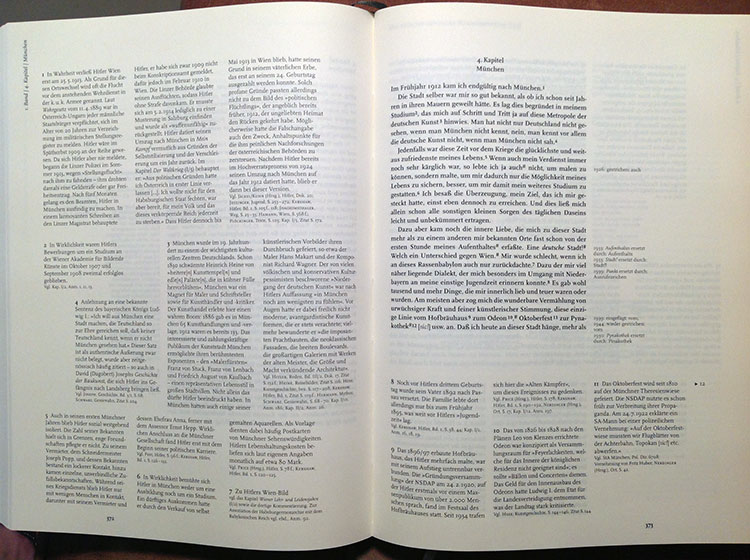
A page from the Munich edition. Hitler's text (centre right) is encircled by notes about changes between editions (far right) and notes correcting factual errors, filling historical gaps and tracing the origins of key ideas (left and bottom).

Long awaited, much debated, the new critical edition of Hitler’s Mein Kampf has now appeared. The Bavarian state had used copyright legislation to ban any new German editions after 1945. That copyright expired in January 2016, raising concerns about the proliferation of inappropriate new editions. The Institute for Contemporary History in Munich decided to pre-empt this by launching its own, critical historical edition. As the editors explain, their aim was an exercise in ideological containment: they want to foreground ‘what we can counterpose to Hitler’s innumerable assertions, lies and expressions of intent’. The first print run of 4,000 copies sold out in a few days, with over 15,000 orders arriving before the book even hit the shelves.

Of course, the text had never really disappeared from view. Before 1945, 12.5 million copies of Mein Kampf were distributed in Germany, in over 1,000 editions. Millions of legacy copies survived and it was never illegal to trade them. There are also millions of translations, both old and new. Mein Kampf is widely read across the globe, regularly features on bestseller lists in India, where, perhaps most worryingly, it is also used in business schools as a manual for effective leadership techniques. The text is also freely downloadable on the internet. What is at stake is not, therefore, the availability of the text, but the political symbolism of printing a new German edition.

Can we decontaminate Mein Kampf by ‘framing’ it in historical scholarship? Commentators have been divided in their response. The Central Committee of Jews in Germany welcomed the edition as a pedagogic tool, while the World Jewish Congress and other commentators registered concerns. Raphael Gross, Director of the Simon-Dubnow-Institute for Jewish History and Culture in Leipzig, suggested that the monumentality of the new edition inadvertently replicates the pathos of Hitler’s own rhetoric and thus subverts any attempt at moral distancing. Two large-scale volumes, bound in elegant grey linen, nearly 1,948 pages and over 3,500 footnotes, do indeed make for a peculiar product. The new edition looks and feels like that of a canonical text of western civilisation. The layout of the notes, too, which literally encircle Hitler’s text on three sides, is reminiscent of critical editions of ‘great works’, even the Bible. 

And yet, there are good reasons for the edition’s peculiar appearance – and they go to the heart of political problem of how we should remember National Socialism. To frame this debate in terms of the prevention of hate speech is misleading. If we are looking for utterances that may inspire or serve the purposes of Neo-Nazis today, we will find them much more readily elsewhere. The infamous speeches of Joseph Goebbels, rousing the masses to enthusiasm around the idea of ‘total war’, Leni Riefenstahl’s great propaganda movie Triumph of the Will, or the antisemitic caricatures of Der Stürmer have never been outlawed, although they are much more likely to elicit visceral responses and polarise opinion. Such overt ‘propaganda’ Hitler mostly left to his henchmen. Mein Kampf is something altogether different. It is a long-winded, highly personal, idiosyncratic text. It only reveals a very partial picture of Nazi ideology and even less about what made the Nazi regime unique. Racist ideas are certainly sprinkled liberally throughout the book, but it contains no ‘blueprint’ for the Holocaust.

What is distinctive about Mein Kampf is, rather, its personal tone, suggesting that it holds the key to Hitler the man. It is this quality that gives it its symbolic power and which still causes so much concern today. Hitler was unique in writing a major personal and ideological memoir before he came to power and then continuing to issue that same work throughout the lifespan of the Third Reich, with only minimal changes. As Hitler is now regarded as the very epitome of evil, his authorship suggests that Mein Kampf must also be the most evil book in the world.

But in spite of its autobiographical features, Mein Kampf is surprisingly unoriginal. Whole passages are plagiarised or adapted from earlier thinkers. The Munich edition makes this very clear. We learn about the vast array of sources Hitler drew on. Many of these works were present in the prison library at Landsberg, where Hitler was incarcerated in 1924, which he, ironically but not wholly inaccurately, referred to as ‘his personal university’. Footnotes compare Hitler’s prose to his models and many also reproduce excerpts of the correspondence that Hitler conducted with some of the writers he used. Not all of them were fellow Nazis, or even proto-Nazis. Hitler drew on mainstream conservative, occasionally liberal and, at times, even socialist works. To these he added numerous references to key texts of western thought, from Homer and the Bible to Francis Bacon and Ernst Jünger. Hitler incorporated such references into his personal voice. His description of his own political awakening, for example, which opens the book, is presented in terms of a conflict with his father. It was inspired, as the Munich editors uncover, by the autobiographical writings of Richard Wagner, which served Hitler as a role model for the construction of an authentic German genius’s coming-of-age. 

Even when Mein Kampf moves beyond the personal, it defines politics in the widest possible sense. It addresses, often at length, issues ranging from economics to architecture, from landscape aesthetics to history. There are certainly antisemitic rants, too, but what gives the text coherence, in so far as it has any, is a general mood music about a new style of politics of ‘intuition’ and ‘character’, rather than theory and logical deduction. Hitler’s skill was to synthesise and personalise and thus make these ideas and assumptions accessible. The ideological context on which Hitler drew was familiar to many at the time. This contributed to the book’s apparent ‘common sense’ appeal, which in turn helped to mask some of Hitler’s more outlandish conclusions as apparently self-explanatory. This also explains the ease with which Mein Kampf in turn was integrated into seemingly ‘respectable’ milieus at the time: the conservative legal theorist Carl Schmitt, for example, organised a series of academic symposia at German universities, each of which took a particular line from Mein Kampf as its title. 

By uncovering the full extent of this relationship between the text and its context, the Munich edition provides an impressive documentation of how ordinary, in many respects, National Socialism was at the time – and how that very ordinariness lured so many people into supporting a regime that committed the most extraordinary crimes. In doing so, it steers a middle course between the moral imperative to emphasize the essential otherness of Hitler’s thought and the need to document the process whereby superficially respectable assumptions about ‘national greatness’ and the dangers of multiculturalism can evolve, quite rapidly, into a programme of war, mass murder and genocide. 

Maiken Umbach is Professor of Modern History at Nottingham University.@MaikenUmbach

Fonte: History Today
em 19:24:00 Nenhum comentário:
Enviar por e-mailPostar no blog!Compartilhar no XCompartilhar no FacebookCompartilhar com o Pinterest
Marcadores: clipping, clipping de artigo

The First Female Anglo-Saxonist

In the 18th century, when women in scholarship were not encouraged and medieval languages were little-studied even by men, Elizabeth Elstob become a pioneer in Anglo-Saxon studies, her work even finding its way into the hands of Thomas Jefferson.

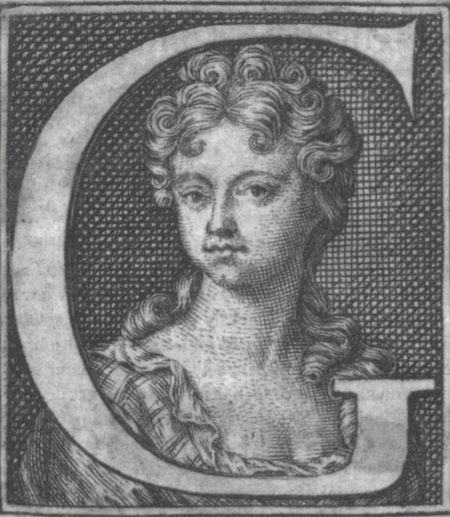
Engraving from a self-portrait, published in two of her works.

In May 1756, an elderly governess died in the household of the Duke and Duchess of Portland, and was quickly and quietly buried in the churchyard of St Margaret’s, Westminster. Elizabeth Elstob left behind no family and few mourners, just some rooms full of ‘books and dirtiness’, as one visitor described them. Yet Elizabeth was a pioneer of medieval studies in England; in her youth, she became the first person to publish a grammar of Old English written in modern English, and would have accomplished much more if not for the restrictions which 18th-century society placed on women’s scholarship.

Born in 1683 to a merchant family in Newcastle-upon-Tyne, Elizabeth was orphaned at an early age. The stern uncle who raised her at Canterbury – Charles Elstob, a prebendary canon of the cathedral there – largely disdained female education, believing that ‘one tongue is enough for a woman’, but Elizabeth still learned Latin and French as a child. Later, through her Oxford-educated clergyman brother, William, the teenage Elizabeth gained an introduction to a small but enthusiastic circle of scholars who worked on Anglo-Saxon history and culture.

Elizabeth was clearly entranced by early medieval England, although the Middle Ages were generally considered barbarous and unworthy of study in an age which was under the sway of Neo-Classicism and the faraway splendours of ancient Greece and Rome. Few men studied medieval history or literature, and even fewer women had the opportunity to learn the languages necessary to access medieval primary sources. However, when Elizabeth moved to London to live as her brother’s housekeeper in 1702, she gained a degree of relative freedom and was able to apply herself to learning Old English. She claimed that her childhood in the north of England and a familiarity with its dialects and accents made it easier for her to grasp the language quickly. 

Her brother William had many academic contacts – he was one of the founding members of what would become the Society of Antiquaries of London – and this fact, coupled with sheer force of personality, gave Elizabeth access to scholarly circles which would otherwise have been closed to her. Brother and sister enthusiastically encouraged one another in their endeavours, and even taught Old English to their nine-year-old serving boy so that he could help to transcribe manuscripts. In 1708, Elizabeth made her first foray into publishing with an anonymous translation of French scholar Madeleine de Scudéry’s Essay on Glory. That same year, she also produced a transcript of the Latin Athanasian Creed and its Old English glosses from the tenth-century Salisbury Psalter; this work was included in the publication of another scholar, William Wotton, who clearly thought highly of her abilities. He was not alone in his assessment of her; the pioneering linguist and theologian, George Hickes, wrote in a letter that Elizabeth was ‘a credit to our country’ and also praised her ‘incredible industry’. 

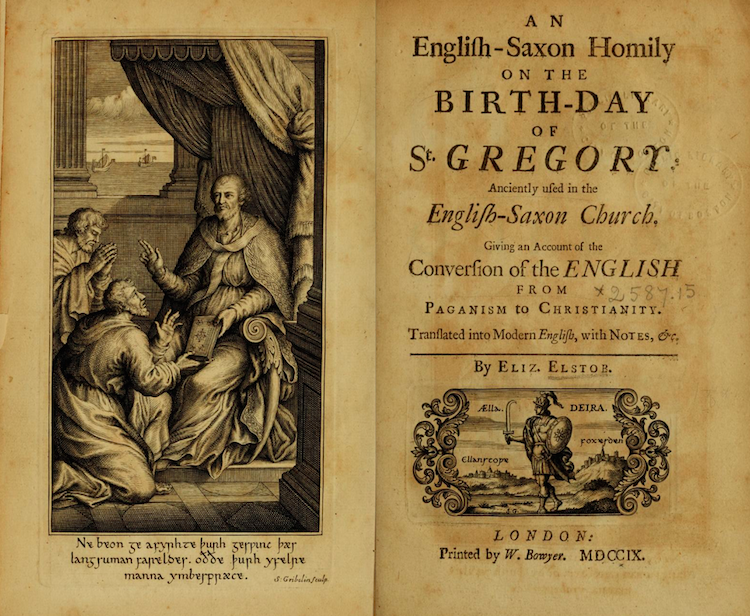
In 1709, Elizabeth produced her first major work: an edition of Abbot Ælfric of Eynsham’s tenth-century An English-Saxon Homily on the Birthday of St Gregory. This text, on the life of the pope who had sent Christian missionaries to England in 597, had been preached as a sermon in Anglo-Saxon churches. Elizabeth wanted the volume to be ‘as beautiful as possible’, no matter the cost, and the finished book contained a number of engravings, as well as an eight-page dedication to Queen Anne and a 60-page preface. 

Frontispiece for Elstob's An Anglo-Saxon Homily on the Birthday of Saint Gregory (1709).

In that preface, Elizabeth argued passionately for two things: for the Church of England as the true heir of the Anglo-Saxon church, a pure and primitive institution which had not been warped by the church at Rome, and for the importance of women’s education. ‘If Women may be said to have Souls,’ she wrote, ‘and if good Learning be one of the Soul’s greatest Improvements; we must retort the Question. Where is the Fault in Women seeking after Learning?’ Elizabeth Elstob saw no fault at all, and some people clearly agreed with her. Two hundred and sixty eight subscribers supported the publication of the English-Saxon Homily, including aristocrats, antiquarians, clergymen and 116 women.

Elizabeth’s second major work was The Rudiments of Grammar for the English-Saxon Tongue (1715), the first such grammar not to be written in Latin. She prefaced this book with an ‘Apology for the Study of Northern Antiquities,’ in which she bluntly dismissed those such as Jonathan Swift who found the ancient Germanic languages harsh and grating. Elizabeth did not see in them ‘any Hardness, but such as was necessary to afford Strength, like the Bones in a human Body, which yield it Firmness and Support’. Her ancestors, she concluded, ‘spoke as they fought, like Men’. 

Despite her masculine characterisation of Anglo-Saxon, Elizabeth explicitly stated that she wrote in contemporary language so that other Englishwomen could engage with her work. However, she also found an overseas audience. Thomas Jefferson, the third president of the United States and a keen linguist, owned a copy of the Rudiments of Grammar. Jefferson used it to help him understand terms which he encountered in his legal studies, annotated it with his thoughts on spelling and pronunciation, and wrote that ‘the English student generally, and particularly the student of law’ would benefit from the study of Anglo-Saxon. 

In both the Rudiments of Grammar and in her other writings, Elizabeth Elstob was a firm champion of the idea that the English language and its history was a fundamental component of England’s national identity. She clearly saw her scholarship as part of a dialogue not just about England’s past, but Britain’s future. Elizabeth thought that the medieval could be a mediator – that Whig and Tory partisan fighting could be resolved by appealing to a common patriotism centred on a shared past. The social circle of Oxford antiquarians within which she and her brother moved contained conservative High Church Tories like themselves, but also Whigs and even Jacobites. No doubt this gave rise to heated debates that must have made Elizabeth long for peace.

Elizabeth planned to follow the Rudiments of Grammar with another, incredibly ambitious endeavour – an edition of all of Ælfric’s so-called Catholic Homilies, a key collection of Old English sermons and saints’ lives. She laid the groundwork for this with an early 18th-century attempt at crowdfunding, publishing a pamphlet with the lengthy and pointed title, Some testimonies of learned men, in favour of the intended edition of the Saxon homilies, concerning the learning of the author of those homilies; and the advantages to be hoped for from an edition of them (1713). Elizabeth also went in person in 1714 to petition Robert Harley, earl of Oxford and Queen Anne’s Lord High Treasurer, for some funding to support her work, and was successful. 

However, her plans to publish the Homilies had to be abandoned when her brother, who had never enjoyed good health, died in 1715. William’s death left Elizabeth without a home and with the mountain of debts that the siblings had incurred in financing their expensive publications. She tried to start a girls’ school in Chelsea, but that failed within six months of its opening. In 1718, she fled London and her creditors, leaving behind her books and a partial manuscript of the Homilies (now preserved at the British Library). Elizabeth ended up in Evesham in rural Worcestershire where she lived for many years, and ran a small dame school under the assumed name of Frances Smith. Her whereabouts were apparently unknown to anyone in the scholarly community until 1735.

Even when she had been found by friends and secured a position that lifted her out of penury towards the end of her life, Elizabeth did not return to scholarship. She found a measure of contentment in teaching the duke and duchess of Portland’s children – including William Cavendish Bentinck, a future prime minister – yet her experiences had clearly left her bitter. In her last years, Elizabeth wrote in a letter that ‘this is not an Age to hope for any encouragement to Learning of any kind’. 

It is certainly true that the 18th century did not look favourably on women scholars, let alone one of intellectual confidence and modest means. If Elizabeth had not had a brother who shared her interests, introduced her to other scholars and was willing to support her financially, she would never have learned Anglo-Saxon, let alone gained the access to Oxford or Cambridge university libraries which was necessary for her research. Elizabeth Elstob’s pioneering work still provides encouragement for the female medievalists who follow in her footsteps, but we can only imagine what she might have accomplished if her intellectual activities had not been so thoroughly frustrated when she was just coming into her prime.

Yvonne Seale is a PhD student in medieval history at the University of Iowa in the United States. Twitter: @yvonneseale

Fonte: History Today
em 19:23:00 Nenhum comentário:
Enviar por e-mailPostar no blog!Compartilhar no XCompartilhar no FacebookCompartilhar com o Pinterest
Marcadores: clipping, clipping de artigo

A escravidão no Brasil na visão de um artista russo

Fyodor Pavlov-Andreevich demonstra sofrimento para aludir à desigualdade no país

A performance em que Fyodor evocou os “tigres”, escravos que levavam os excrementos de seus senhores para o mar -Divulgação / Pedro Agilson

RIO - Na noite do último domingo, um homem branco acorrentado num poste de luz chamava a atenção de quem passava na esquina da Rua Oswaldo Cruz com a Praia do Flamengo. Uma mulher em um Mercedes-Benz parou e perguntou se precisava de ajuda. Carros da polícia e do Corpo de Bombeiros chegaram alternadamente; os poucos pedestres que passavam àquela hora tardia tiraram fotos. Pele branca, olhos claros num corpo de 1,91m, o russo Fyodor Pavlov-Andreevich, 39 anos, apesar de falar português, não respondeu às perguntas que lhe eram feitas. A não interação fazia parte da performance, uma das sete que compõem o projeto “Monumentos temporários”.

A imagem do branco nu (ele sentou sobre um pedaço de jornal, com o qual escondia os órgãos genitais quando necessário), acorrentado numa esquina do Flamengo, não surgiu aleatoriamente. O artista, com residência em Moscou, Londres e Rio de Janeiro, aludia ao episódio em que um jovem negro foi detido dessa forma por moradores do bairro, em 2014. Na época, o registro foi imediatamente associado ao modo como os escravos eram (mal)tratados. E a escravidão no Brasil, do passado e do presente, com uma embalagem mais moderna, conduz esse trabalho do artista.

— Fico espantado quando vou, por exemplo, a eventos de arte aqui e não vejo um negro. Como é possível, se em algumas cidades, como Salvador, eles são maioria? — indaga ele. — O modo como a escravidão se perpetuou no Brasil, com tanta desigualdade, é único no mundo.

URUBUS E PAU DE ARARA

O artista acorrentado a um poste de luz no Flamengo, na noite do último domingo - Divulgação / Pedro Agilson
A ideia de transformar o espanto em arte surgiu há um ano, na Praia da Laje, em Alagoas, quando Fyodor fazia uma residência artística. Encantado com o modo como os moradores locais escalavam os coqueiros, pediu que lhe ensinassem. Ao saber que os escravos recolhiam no alto as sementes, trocando-as por dinheiro e comprando sua liberdade, decidiu iniciar por ali o trabalho, ficando sete horas agarrado ao tronco de um coqueiro. O registro fotográfico da performance foi exposto na ArtRio, em setembro, pela Galeria Anita Schwartz. Na mesma praia, fez a segunda performance: deitou por sete horas na areia, ao lado de urubus que circundavam uma tartaruga morta. Na terceira, deixou-se amarrar como num pau de arara e ficou no mar, levado pelas ondas. Na quarta, pendurou-se pelo pé no galho de uma árvore. E no último fim de semana, no Rio, antes de se acorrentar ao poste, caminhou no sábado durante sete horas, do Maracanã à Avenida Brasil, carregando um cesto com um peso na cabeça, como os escravos que conduziam as fezes dos senhores brancos até o mar.

Todas as fases foram documentadas, em vídeo e foto, e serão exibidas numa exposição, ainda neste ano, em lugar a definir. Na abertura da mostra ele fará a sétima e última performance, que aludirá à forma como os escravos eram trazidos ao país nos navios negreiros.

Ao longo do trabalho, Fyodor foi bicado por urubus, machucado pelo atrito com a areia, contundido pelas horas passadas numa mesma posição. Ele diz que detesta sentir dor, mas o sofrimento, observa , era necessário ao trabalho.

— Sinto que falta relação com o sofrimento na arte contemporânea. Nos anos 1970, muitos artistas atuaram respondendo a um momento de agressividade no mundo. Eu mesmo prefiro ficar no conforto na praia. Mas não dá para falar de escravidão sem se colocar nesse lugar.

Fonte: Estado de São Paulo
em 15:30:00 Nenhum comentário:
Enviar por e-mailPostar no blog!Compartilhar no XCompartilhar no FacebookCompartilhar com o Pinterest
Marcadores: clipping, clipping de artigo

A Question of Interpretation

The public expects historians to deliver authoritative accounts of the past, yet different conclusions can be drawn from the same sources.


I recently read an amateur review of a history book with which I am familiar, which stated: ‘It is just an interpretation.’ The phrase has stayed with me, my mind lingering on the injustice of the ‘just’. What could the writer possibly mean by this attempted insult? By ‘interpretation’ did he or she really mean ‘speculation’? For an interpretation is based on evidence. What do the public think history – as a discipline, as a subject – is? Is anyone under any illusions that what historians write is ever anything but an interpretation?

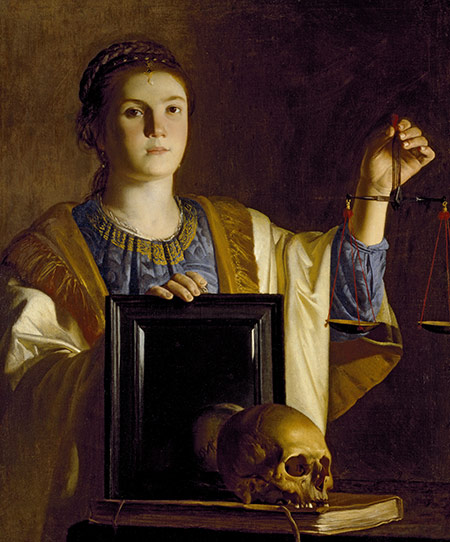
'Truth Presenting a Mirror to the Vanities', Dutch, c.1625
In the term before Christmas I was teaching first-year undergraduates. At the end of each term those who have been lecturing and tutoring get together with each student to talk about how it has gone. They are bright students who made great progress, but a repeating theme that emerged from this general round-up was the need for them to develop their own voices in the midst of the historical argument: to imagine, with each essay, that they take their seat at the dinner table of historians who have written in that field and then join in the debate. This is no new counsel. I remember a comment written on one of my undergraduate history essays at Oxford by my then-tutor, Susan Brigden, with her characteristic elegance of phrase: ‘Don’t bow with such becoming submission to the secondary authorities.’

History is debate, history is discussion, history is a conversation. Hugh Trevor-Roper wrote in 1957, ‘history that is not controversial is dead history’. While some of this controversy comes from the pronouncements of historians as public intellectuals addressing the present day, much of it comes from them arguing with each other. The collective noun for historians is – honestly – an ‘argumentation’.

This is not in contradiction to saying that historians aim at truth. What sort of truth we might achieve is debatable. Justin Champion, in writing about what historians are for, states that ‘historical claims to truth are aesthetic and ethical, rather than empirical and objective’. Peter Novick argued that historians make up stories and ‘make no greater (but also no lesser) truth claims than poets or painters’. I think this is to go too far. The past did exist, the events of history did happen. Our job as historians is to get at them as best as possible, on the basis of the evidence we have, in a way that is epistemic: that fits with the facts we can establish. It is this forensic, interrogatory process that is the joy of being an historian. 

Yet the truth is, if you take a group of historians working on the same problem, writing at different times and in different places – even if they all use their evidence in a scrupulous, honest, critical and informed way – the conclusions they reach may differ. This is because we are all different people; our context, our formation, our insights are different and the histories we write are personal. If it were not so, there would be little point training up more students to be historians.

This is still a pursuit of truth. In each examination of a problem, even if new facts are not discovered, a new insight might be brought. The experience of the historian’s life might help her spot a previously missed connection, previous errors might be cleared up and some facts shown not to be facts. The historian might provide a context that gives a much needed, less partisan slant on an issue. There are reasons why one interpretation might be more plausible than another. But they are all still interpretations: the best informed, most thoroughly considered, factual of interpretations, but interpretations nonetheless. Even history that hides its workings (or to misuse Gibbon, its ‘nice and secret springs’) and presents itself as narrative – for historians are always storytellers – rests on interpretation.

Does this clash with a public expectation that historians will tell an unfettered, impartial and objective truth? Is an historian’s public credibility to make authoritative statements about what happened in the past undermined by the contingent nature of history?

I do not think so. The truth is what we must always seek. It is not possible to be both an historian and a liar. But what we arrive at is, ultimately, informed, epistemic, honest opinion: ‘just an interpretation’.

Fonte: History Today
em 14:40:00 Nenhum comentário:
Enviar por e-mailPostar no blog!Compartilhar no XCompartilhar no FacebookCompartilhar com o Pinterest
Marcadores: clipping, clipping de artigo

What is French secularism?

Although it once represented the victory of anti-clerical republicanism, laïcité has come to mean something very different.

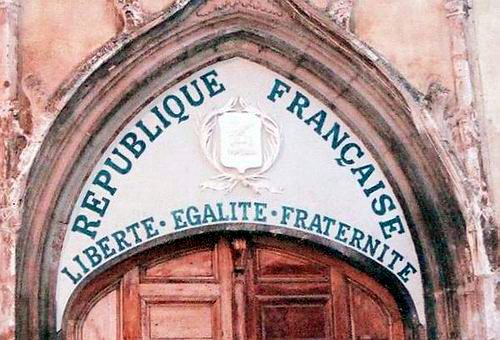
The motto of the French republic on a church in Aups2015 was a traumatic year for France. 

It began with the murderous attack on the offices of the satirical magazine Charlie-Hebdo. Violence then returned on an even greater scale in November, with multiple attacks across the city on the Stade de France, the Bataclan Club and six restaurants, which left 130 people dead. President Hollande’s response was defiant. Enacting an Emergency Law dating from the Algerian conflict in the 1950s, he told citizens that ‘France is at war’ and vowed to ‘destroy IS’ (it was reported this week that the emergency measures would be extended until ISIS was defeated). In particular, the attacks have intensified a wider existential debate about French values. The historian Robert Frank speculated in the magazine les InRockuptibles (November 25th, 2015) how French jihadism might be linked to the humiliating legacy of colonialism in general and the Algerian War in particular; the kind of connection intriguingly absent in discussions of the equivalent British recruits to IS.

Speaking on BBC Radio 4 shortly before the November attacks, the French Ambassador in London, Sylvie Bermanm, identified secularism as a bedrock of French national identity. Introduced in 1905, secularism originally represented the victory of anti-clerical republicanism, which, ever since the 1789 French Revolution, had stigmatised the Roman Catholic Church as a bastion of reaction, ignorance and superstition. In concrete terms, the 1905 law dramatically limited the power of the Church by enshrining three key principles: strict separation of Church and State, freedom of conscience and freedom to exercise any faith. State schools became religious-free zones. Education was about the inculcation of Enlightenment principles as well as allegiance to the French nation. These foundation stones of the Republic were non-negotiable, although there were significant caveats. The 1905 law did not apply in Algeria, in theory an integral part of France, because with 4.5 million Muslims the French state did not want to relinquish control of Islam. Significantly, secularism was a centre piece of the 1946 Fourth Republic Constitution, the ideological defeat of the pro-Nazi Vichy regime that had reinstated the public role of the Roman Catholic Church.

In contemporary France, however, the conflict with the Roman Catholic Church is long dead, with the result that secularism has come to stand for something else: managing ethnic difference in society that is diametrically opposed to the community based approach advocated by Britain and the US (the two are usually lumped together by French defenders of secular principles as les Anglo-Saxons). According to this modern schema, secularism is about avoiding Anglo-Saxon style ghettos; coming together as citizens; and transcending narrow religious differences. This is why all conspicuous religion symbols are still banned in state schools. This is why the French state does not categorise people according to their ethnic origins when it comes to census data. Equally, this is why in the days following the Charlie-Hebdo attacks demonstrators flocked to the huge statue of Marianne on Place de République, a secular symbol of a secular sensibility that was evident in the way in which Marianne’s base was adorned with copies of Voltaire’s 1763 Treatise on Tolerance.

What, however, does this modern secularism mean for France’s five million Muslims? Many feel marginalised because of their low economic status. Yet, the question of their social integration returns continually to the issue of secularism and whether or not this secularism, the benchmark of French values, is compatible with Islam. This in turn has led some Muslims to conclude that Islam is been singled out by secularism, producing an underlying Islamophobia that can all too easily blend into outright hostility. As one French Muslim taxi-driver said to me: ‘Why is Zinedine Zidane [the great French footballer who is now manager of Real Madrid] French while the Kouachi brothers [the two Charlie-Hebdo attackers] are Algerian and Muslim. All three were born in France.’

In this climate of suspicion the main beneficiary has been Marine Le Pen’s National Front, which, although its ideological roots can be traced back to the right-wing authoritarianism embodied in the Vichy regime, has now rebranded itself as the upholder of a muscular secularism. This style of secularism, which sees Muslims as an internal enemy whose lack of French values means that many will gravitate towards religious extremism, struck a chord with voters who would normally have shied away from the far right. Consequently, in the first round of regional elections at the beginning of December the National Front rose to become the largest party in France with 28 per cent of the vote. This in turn means that the stage is set for a scenario where Marine Le Pen reaches the second round of the 2017 presidential elections, a scenario in which the true meaning of secularism will be a deciding factor.

Martin Evans is Professor of Modern European History at the University of Sussex. He is the author of Algeria: France’s Undeclared War (Oxford University Press, 2012).

Fonte: History Today
em 14:59:00 Nenhum comentário:
Enviar por e-mailPostar no blog!Compartilhar no XCompartilhar no FacebookCompartilhar com o Pinterest
Marcadores: clipping, clipping de artigo

Britain’s Willing Imperialists

Were 19th-century Britons as apathetic towards their nation’s vast Empire as some historians have argued?

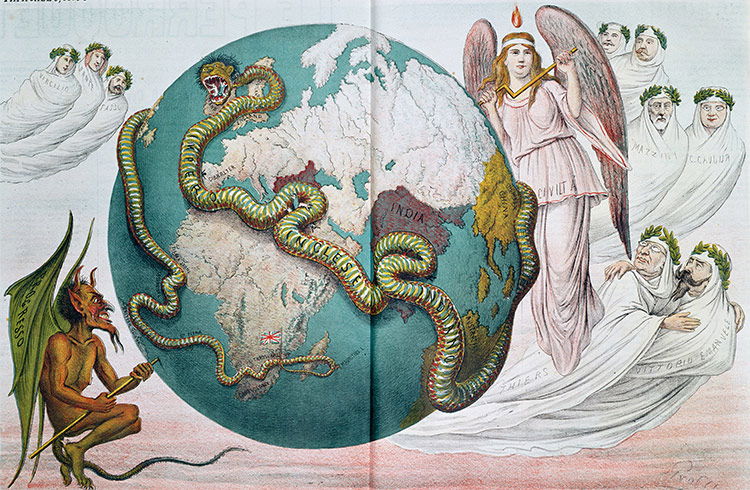
Allegory of the British Empire Strangling the World, Italian, 1878

Twenty years after its publication, Daniel Jonah Goldhagen’s study, Hitler’s Willing Executioners, stands out for the rigour of its approach. Its argument, that the German people were more acquiescent in the crimes of Nazism than was once thought, is firmly grounded culturally, historically and philosophically. Yet how far are Goldhagen’s ideas relevant to current debates about the depth and extent of popular imperialism in 19th-century Britain? 

Goldhagen’s belief that researchers should address the time and place of their study ‘as an anthropologist would the world of a people about whom little is known’ is excellent advice for any researcher. Modern historians of British imperial culture may yet be guilty of underestimating the sheer ‘differentness’ of 19th-century Britain. Lytton Strachey’s observation that ‘the history of the Victorian Age will never be written: we know too much about it’ is surely relevant here. Strachey was writing long before the advent of digital archives; when historians can read Victorian newspapers from the comfort of their offices, the period can feel dangerously familiar.

Since before the turn of the millennium, important historical works have questioned whether ordinary British people were ever truly enthusiastic about imperialism. In their 1993 study, British Imperialism, P.J. Cain and A.G. Hopkins presented it as the result of ‘gentlemanly capitalism’. In their view, imperialism was the product of surplus capital deployed globally by genteel investors who turned to high finance as a way to generate wealth without having to engage directly in trade. Thinking about imperialism in this way absolves most of the British population of any responsibility for it. Imperialism becomes the product of an economic and social system in which the only true agents are the gentlemanly capitalists of the City of London.

A body of scholarship supports the idea that imperialism was never as popular as is sometimes imagined. In his 2004 work, The Absent-Minded Imperialists, Bernard Porter argued that public opinion cared little for Empire and that evidence of public engagement with imperialism would be better understood in alternative contexts. John Darwin’s The Empire Project (2009) takes a similar view, pointing out that Victorian celebrations of imperialism, however eyecatching, were ‘lost in the mass of non-imperial production’. Jonathan Rose’s The Intellectual Life of the British Working Classes (2001) argues that working-class memoirs tend to display apathy, even antipathy, towards matters imperial.

Goldhagen’s thoughts are of special relevance here. He argues that so firmly was antisemitism rooted in German society that the burden of proof should lie with those seeking to deny its prevalence, rather than with those seeking to make the claim that Germany was indeed antisemitic. Might the same logic be applicable to British popular imperialism? How easy is it to make a convincing case that the society at the centre of the largest empire the world has ever seen was not the home of widespread imperialist sentiments? 

Britain in the 19th century was not, after all, a totalitarian society; the period saw an unprecedented flowering of print media. Following the progressive repeal of the taxes on knowledge in the middle decades of the century, newspapers and periodicals carried a wide range of opinion to an ever larger audience and, while there were frequent challenges to specific imperial policies, opposition to the fundamental principles of imperialism were far less common. 

Where such challenges do appear – such as Marlow’s reflection in Joseph Conrad’sHeart of Darkness (1899) that imperialism ‘is not a pretty thing when one looks into it too much’ – it would be reasonable to accept them as evidence that such challenges were not unthinkable and then to ask why they were not more in evidence.

As Goldhagen points out: 
Notions fundamental to the dominant worldview and operation of a society, precisely because they are taken for granted, often are not expressed in a manner commensurate with their prominence and significance or, when uttered, seen as worthy by others to be noted and recorded. 

Were imperialist attitudes so ingrained into the psyche of ordinary British people that they were simply not worth remarking on? If so, a hypothetical absence of pro-imperial sentiments in the private communications of ordinary Britons cannot be interpreted as evidence of the absence of imperial attitudes.

Perhaps sceptical historians have been raising the wrong objections. Goldhagen’s approach might prompt different questions. Was imperialism such an integral part of British intellectual life that it went unmentioned by the majority? Does opposition to specific policies or episodes necessarily denote a rejection of the racial and imperial logic of the British Empire? Could a system of imperial finance operate sustainably without the participation of individual consumers, as well as wealthy investors? It is high time that scholars took up the challenge laid down by Porter’s thesis and asked if ordinary Britons were, if not enthusiastic, then at least willing imperialists.

Andrew Griffiths is Associate Lecturer in English at Plymouth University.

Fonte: History Today
em 19:21:00 Nenhum comentário:
Enviar por e-mailPostar no blog!Compartilhar no XCompartilhar no FacebookCompartilhar com o Pinterest
Marcadores: clipping, clipping de artigo

Women of Ravensbrück

The site of the concentration camp near Berlin remains little known.


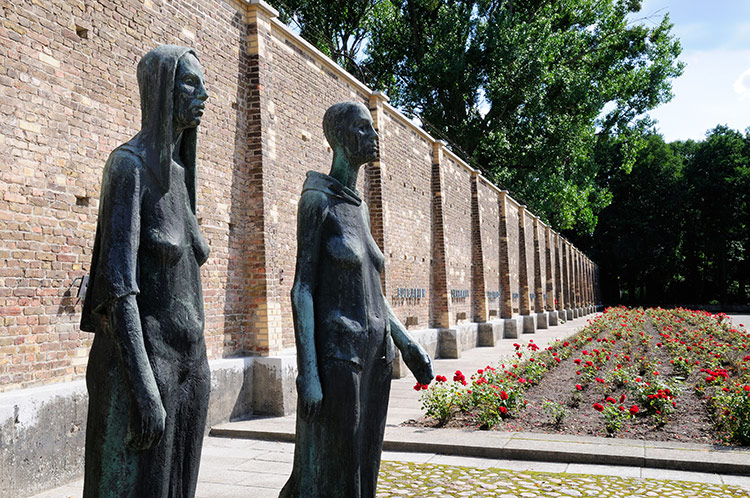
Together: Zwei Stehende (Two Women Standing) is a monument to Ravensbrück.The question of how we should commemorate the concentration camps is a live one. On a bitterly cold day in November I took the train from Berlin to Fürstenburg, a village to the north, where women destined for Ravensbrück were let out of their overcrowded cattle trucks to be marched to the camp itself.

Some French resisters, sent there as late as summer 1944, had endured months in other prisons and thought the new camp might at least offer them a chance to work outside, a hope they grasped on arrival as they smelled the salty Baltic air. But, as Jacqueline d’Alincourt wrote, they were soon disabused of this notion: ‘We were forced to step out amid the yelling of guards accompanied by their dogs, tugging at their leashes, showing their fangs. Fists rained down upon us.’

The camp location, amid forests and lakes, was chosen by Heinrich Himmler because it was far enough away for people not to know about it, yet within reach of the railway station at Fürstenburg, which, then as now, had a direct link to Berlin. Built in 1939 as the only all-women camp, Ravensbrück was intended for social outcasts, gypsies, political dissenters, foreign resisters, the disabled and other ‘inferior beings’. Some 130,000 women from 20 different nationalities passed through it. Around 30,000 to 50,000 people were killed there, yet Ravensbrück was not an extermination camp – only about 10 per cent of its inmates were Jews – rather it was a place of punishment, which provided slave labour to some of the thousands of sub-camps fuelling the Nazi war machine, the most notorious being the Siemens and Halske plant.

Among its inmates were Genèvieve de Gaulle, niece of the General, the British Special Operations Executive (SOE) agent Odette Sansom, who later became Odette Churchill, and French ethnographer Germaine Tillion, who composed an opera in the camp based on the story of Orpheus. It was also the scene of horrific medical experimentation on young Polish women, known as ‘lapins’ (guinea pigs), some of whom had their legs cut open and infected with bacteria and glass shards to simulate the effect of shrapnel. 

In March 1945, when it was clear the defeat of Nazi Germany was only a matter of time, the Swedish Red Cross sent buses to rescue some prisoners, but Ravensbrück was not liberated by the Red Army until April 30th. After the war the Soviets used the site as an army training camp and, although there is a Soviet-era tank serving as a memorial on the road from Fürstenburg, investigation of what went on there was discouraged once the Iron Curtain descended. Today there is a visitor centre and a building known as the Bunker – the prison cells within the camp used for additional punishment and torture – has been refurbished. The crematorium remains untouched.

Overlooking the lake, there is a large sculpture by Will Lammert, Tragende, of an emaciated woman carrying the burden of another human being. Yet, short of forcing all visitors to strip, starve, endure fear and beatings, how can one imagine what it felt like to be here in 1944. On the day I was there the vastness of the empty white Appelplatz was a powerful reminder of just how barren the site is of all signs of humanity. During my visit to Berlin, random questions to young Germans as to what they knew about Ravensbrück, only an hour away, met with vacant stares. 

Berlin has done much to draw attention to its Jewish past, with stolperstein plaques embedded in pavements recording former Jewish inhabitants murdered by the Nazis, memorial signposts in the former Jewish quarter and even pictures in some train stations of well-known Jews who once lived in that area. Yet Ravensbrück is little known and not encouraged to be part of any cultural itinerary for tourists. Perhaps that is as it should be, to avoid succumbing to what has been called ‘holocaust tourism’.

In April 2015, to mark the 70th anniversary of its liberation, 90 former inmates gathered, probably for the last time. Annette Chalut, arrested as a teenager, now 90 and honorary Chair of the International Ravensbrück Committee, said: ‘Vigilance is our absolute duty. Evil can return at any time, and we are not allowed to forget what happened here.’ With those remarks echoing in my head, I emerged from my hotel to see a group of schoolchildren on hands and knees scrubbing thestolperstein with toothbrushes and cleaning fluid. No, they had not been to Ravensbruck, they told me, but they knew of it. ‘It’s very important to know about your history’, volunteered one of the 14-year-old boys, ‘especially if you are German.’

Anne Sebba‘s next book is Les Parisiennes: How Women Lived, Loved and Died in Paris from 1939-49 (Weidenfeld and Nicolson, 2016).

Fonte: History Today
em 16:53:00 Nenhum comentário:
Enviar por e-mailPostar no blog!Compartilhar no XCompartilhar no FacebookCompartilhar com o Pinterest
Marcadores: clipping, clipping de artigo

The Forgotten Archduchess

Marie-Louise, Napoleon’s second, lesser-known wife, achieved great political success while exiled in Parma. She should not be forgotten, argues Deborah Jay.

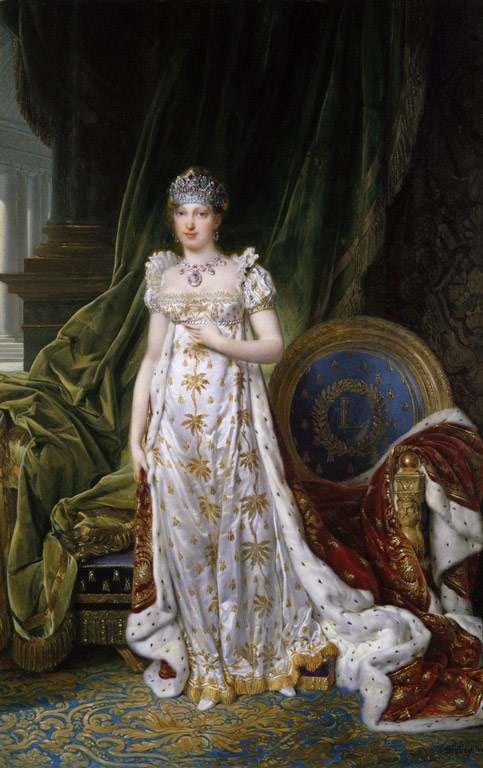
Portrait in 1810 by Jean-Baptiste Isabey

Everyone has heard of Josephine. Yet it was only when Napoleon found love with Marie-Louise, Habsburg archduchess and daughter of his enemy, Austrian emperor Francis II/I, that he found true marital happiness. Despite this, next to Josephine, Marie-Louise is almost unknown. 

When Josephine failed to deliver the heir Napoleon believed he needed, he looked to the leading dynasties of Europe for a second wife. Having subdued Austria for a second time in 1809, he forced Emperor Francis to surrender his eldest daughter on pain of losing his Habsburg throne. 

Aged 18, highly educated, witty and caring, Marie-Louise understood the dynastic marriage market and her duty to emperor and country. As instructed, she set aside preconceptions about her husband and his countrymen and, during her tenure as empress, all would fail to engage her on the subject of her great-aunt Marie-Antoinette or any other subject that might be noxious to the Franco-Austrian alliance. She was more than a match for her overweening husband, whose misjudgments during their years together were already sowing his downfall. 

Napoleon adored her from the moment he set eyes on her. Unlike Josephine, she appreciated his lovemaking and returned his affection, treasuring his gifts, attention and love-letters. In 1811, she produced the yearned-for son. Napoleon Francis was to be known as the king of Rome, Napoleon having ejected the pope and subsumed his capital into France.

Twice – in the Spring of 1813 and in January 1814 – the French emperor appointed his wife regent of France before setting out for battle, so much did he trust her good sense, integrity and loyalty to her adopted country. 

Yet all unravelled in March 1814, when Napoleon’s fortunes changed and Francis and his allies laid siege to Paris. Rather than allowing Marie-Louise to stand and confront the invaders, Napoleon’s courtiers and family urged her to flee with her son to the Loire in accordance with Napoleon’s instructions. Napoleon did not summon Marie-Louise to him but told her to await her father’s decision, believing that his father-in-law was bound to favour reunion of husband, wife and child. Napoleon was wrong. Marie-Louise and her son were taken to Vienna effectively as hostages. The Austrian Chancellor, Klemens Metternich, ensured Marie-Louise never received Napoleon’s letters and that an attractive equerry was charged to detach her emotionally from him. She was forced to sit out negotiations between the Great Powers at the Vienna Congress, while Napoleon prepared accommodation for her on Elba, of which he was now king. In the Spring of 1815, she learned that Napoleon had escaped his kingdom, had seized power in Paris and demanded her return. Furious at what she perceived to be his irresponsible behaviour and unaware of his justified grievances, Marie-Louise declared her detachment from his enterprise.

As the allies proclaimed victory after Waterloo, she was rewarded by the grant of the duchies of Parma, Piacenza and Guastalla, promised her on Napoleon’s first abdication in 1814. In March 1816, she set out for Parma with her equerry, now her chief administrator. Her son, now five, was not allowed to accompany her, too dangerous a Bonaparte mascot to live on the politically volatile Italian peninsula. In Parma, living under constant threat of eviction, Marie-Louise flouted Austrian dictates and proved herself to be the most enlightened sovereign of her age, her duchies a place of refuge for many of the political dissidents of the Italian Risorgimento. Forced to lead a double life, she scandalised Europe when, upon the death of her chief administrator, the existence of her second secret family was revealed. She held on to her duchies as the fires of Italian unification became irrepressible, revolution breaking out across Europe within three weeks of her death. Her numerous achievements are still celebrated today, 200 years since she set foot in Parma.

Deborah Jay is the author of Napoleon’s Other Wife (Rosa’s Press, 2015).

Fonte: History Today
em 19:07:00 Nenhum comentário:
Enviar por e-mailPostar no blog!Compartilhar no XCompartilhar no FacebookCompartilhar com o Pinterest
Marcadores: clipping, clipping de artigo

Solidariedade com refugiados inspira "despalavra do ano"

Com o termo "Gutmensch" ("gente boazinha"), os detratores nos meios populistas de direita e na imprensa reduzem as iniciativas de ajuda a atos de ingenuidade de cidadãos com síndrome de bom samaritano.

Especialista Nina Janich apresenta em Darmstadt a seleção da ação de crítica linguística

A cada ano, na cidade de Darmstadt, um júri elege a "despalavra" alemã do ano. A "ação de crítica linguística" visa isolar conceitos que – por vezes despercebidos pela população e a mídia – se destacaram pelo uso pejorativo, politicamente incorreto ou discriminatório.

Anunciada nesta terça-feira (12/11), em 2015 a "honra" coube a Gutmensch – "gente boazinha". Embora composta por dois termos perfeitamente corriqueiros – gut (bom) e Mensch (ser humano) –, a assimilação de ambos num único substantivo adiciona uma conotação de desprezo e malícia à mais nova "despalavra".

Foi inegavelmente com essa intenção que ela despontou repetidamente nas discussões sobre a onda de migrantes no país. Como explicou a professora Nina Janich, presidente do júri e porta-voz da "ação linguística", ao tachá-los de Gutmenschen, os detratores dos muitos cidadãos que se engajam nos abrigos para refugiados, investindo o próprio tempo, energia, dinheiro e disponibilidade emocional, os reduzem a gente simplória, com síndrome de bom samaritano.

Dos meios extremistas para as manchetes

Assim como os aparentados Gutbürger e Gutmenschentum, a "despalavra" de 2015 já não se confina mais ao uso como "conceito de guerra" nos meios populistas de direita, apontou o júri composto por quatro linguistas, um jornalista e um humorista.

Jornalistas de veículos consagrados passaram a adotar tais conceitos até mesmo em suas manchetes, como "crítica indiscriminada" às ações de solidariedade aos refugiados. Entre outros efeitos, tal emprego impede um "intercâmbio democrático de argumentos objetivos".

O termo não é inédito na ação promovida por uma associação independente: em 2011 ele já figurara em segundo lugar na votação. No entanto, o atual debate sobre o afluxo migratório voltou a colocá-lo em evidência. "O conceito Gutmensch ganhou certa atualidade", confirmou o diretor do Instituto da Língua Alemã de Mannheim, Ludwig M. Eichinger.

Para Margarete Jäger, diretora do Instituto de Pesquisa Linguística e Social de Duisburg, a nova "despalavra" lembra a "estratégia discursiva" dos nazistas, que tentavam "difamar e isolar" linguisticamente os outros. Também Nils Bahlo, do Instituto de Germanística da Universidade de Münster, vê evocada "a retórica difamatória da época nazista".

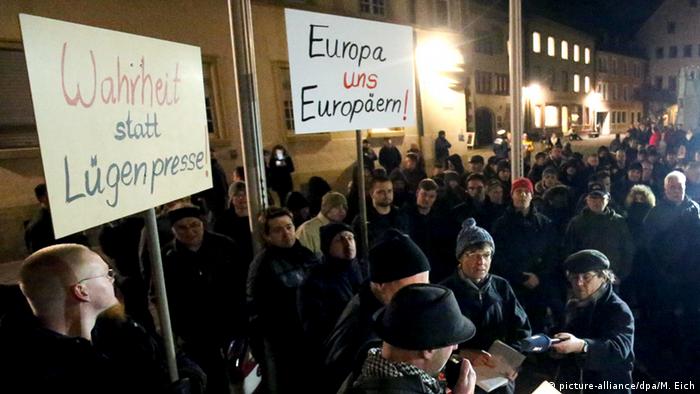
Instrumentalizada pelos movimentos anti-imigração, "imprensa da mentira" foi "despalavra" de 2014

Tema ainda não está esgotado

Promovida desde 1991, com base em sugestões apresentadas pela própria população, a ação crítica "Unwort des Jahres" visa conscientizar contra termos que violem os princípios da dignidade humana e da democracia, ao "discriminar certos grupos sociais" ou por serem "eufemísticos, dissimuladores ou mesmo falaciosos".

Após Lügenpresse ("imprensa da mentira") no ano anterior, retirada do vocabulário dos movimentos anti-imigração como o Pegida (sigla em alemão para "Europeus patriotas contra a islamização do Ocidente"), a onda de refugiados esteve presente como nunca entre as 1.644 sugestões de "despalavra" propostas em 2015.

Nas três horas que levou para sua seleção, o júri também considerou opções como Flüchtlingskrise("crise de refugiados") e Asylkritiker("críticos do asilo"). Com vista a futuras votações, a porta-voz Janich anunciou: "Nós ainda não esgotamos os termos sobre a temática dos refugiados."

Fonte: Deutsche Welle
em 15:50:00 Nenhum comentário:
Enviar por e-mailPostar no blog!Compartilhar no XCompartilhar no FacebookCompartilhar com o Pinterest
Marcadores: clipping, clipping de artigo

"Ninguém faz ciência com a Wikipédia"

Enciclopédia online completa 15 anos, entre os sites mais visitados em vários países. Mas o cientista da comunicação Rudolf Stöber vê limitações no projeto, desenvolvido de forma colaborativa.

Rudolf Stöber é professor de Ciências da Comunicação na Universidade de Bamberg e tem como seus principais campos de pesquisa as transformações das áreas de comunicação, publicidade e mídia. Por ocasião dos 15 anos da Wikipédia, ele conversou com a Deutsche Welle sobre as vantagens e limitações da enciclopédia online. O especialista considera a obra, desenvolvida de forma colaborativa na internet, uma boa fonte de conhecimento, mas ressalta que ela não substitui o conhecimento encontrado na literatura científica convencional.

DW: Como o senhor usa a Wikipédia enquanto cientista da comunicação?

Rudolf Stöber: Uso a Wikipédia principalmente como uma extensão da investigação e para pegar ideias sobre coisas em que posso me aprofundar.

Quais as reservas que o senhor tem quanto a ela, em termos de padrão de qualidade e confiabilidade?

Isso é algo que não consigo responder genericamente, pois isso depende muito do contexto temático. Artigos que se encontram dentro do discurso político geral – como "crise de refugiados", por exemplo –, devem ser lidos com cautela. Mas é possível ver o histórico de versões. Basicamente, a Wikipédia se tornou uma enciclopédia muito boa. Minha principal reserva, de uma perspectiva científica, é que alguns alunos e até mesmo alguns colegas meus acreditam que, nela, estão fazendo ciência, o que é um grande mal-entendido.

Rudolf Stöber: "rapidez é uma qualidade e
também um defeito da Wikipédia"
Isso significa, então, que a fonte Wikipédia deve ser sustentada por outras fontes?

Tem que ser assim. Isto também está ligado ao fato de a Wikipédia ser uma enciclopédia. Uma enciclopédia tem que reproduzir certa quantidade de conhecimento condensado. E a Wikipédia faz isso muito bem, com certas limitações. Pois a tendência é que os artigos dela inchem com o tempo. Comparando às enciclopédias tradicionais, como Brockhaus ou a Encyclopedia Britannica, eu gostaria que houvesse informações mais precisas e mais curtas. Em geral, enciclopédias oferecem conhecimento condensado de coisas sobre as quais as pessoas já têm, bem ou mal, alguma informação – elas não têm nada a ver com a tarefa principal da ciência, que é levantar questões e problemas. Ela responde perguntas segundo o conhecimento factual (o que é algo), mas não segundo um conhecimento de metodologia científica, orientado pelo problema (como algo ocorre).

Quais são os maiores pontos fracos da Wikipédia?

Eu posso dizer que o meu próprio campo, a ciência da comunicação, está muito mal representado. Meus colegas sentem falta, nos procedimentos de gestão de qualidade, do mesmo nível que em publicações científicas. Nós nos sentimos, em parte, julgados por pessoas que não são especialistas. Por isso, muitos colegas meus preferem não se intrometer, e acho que isso ocorre de forma semelhante em outros campos. E isso me legitima para lembrar aos estudantes que também existem enciclopédias, revistas e livros especializados.

A Wikipédia não é apenas uma plataforma de conhecimento, mas, por vezes, também um campo de batalha em que são travadas disputas sobre interpretações e explicações corretas. Como o senhor avalia esta luta em torno da verdade?

Nesse ponto, a Wikipédia tem uma vantagem incrível, por publicar o histórico de versões. Esta transparência é positiva e faz da Wikipédia quase em um objeto do meu próprio campo de pesquisa. Mas, em princípio, a atualidade diária é algo impróprio para uma enciclopédia. Uma qualidade dessa enciclopédia, que é a de reagir a fatos muito atuais, também um motivo para seu defeito, que é o de ir além da tarefa verdadeira de uma enciclopédia e apresentar mais do que conhecimento factual condensado. Mas nesse ponto não há como, estruturalmente, fazer mudanças.

Enciclopédias tradicionais, como a alemã Brockhaus, 
estão desaparecendo

Segundo a própria Wikipédia, ela já possui 37 milhões de artigos em quase 300 idiomas. Nos EUA, a enciclopédia online está em sexto lugar e, na Alemanha, em sétimo lugar entre os sites mais visitados. No entanto, a Wikipédia tem sido repetidamente acusada de ser uma plataforma vulnerável ao vandalismo e à influência de empresas e organizações sobre seu conteúdo. Há alguma verdade nessa crítica?

Eu não avaliei isso estatisticamente, mas é um problema que não pode ser resolvido, essa influência de escritores ​​que escondem sua verdadeira identidade. Devido à sofisticação com que certas mensagens publicitárias são lançadas, muitas vezes não conseguimos nos dar conta disso tão rapidamente. Eu acho que isso, necessariamente, tem relação com esta estrutura de comunidade aberta, sendo algo que não pode ser solucionado.

Mas isso, sem dúvida, é muito grave. Basta observar os verbetes de certos políticos, em torno dos quais houve as chamadas "guerras de edição" ou verbetes na Wikipédia em inglês sobre o conflito Ucrânia-Rússia. Você sabe do que estamos falando. Só é preciso ver os números dando conta da alta frequência de mudanças, para lá e para cá, e aí você percebe que o verbete é problemático.

Na Alemanha, a Wikipédia registra mais de um bilhão de visitas por mês. Enquanto a Wikipédia navega através da internet, as enciclopédias emblemáticas alemãs, como a boa e velha Brockhaus, vão afundando lentamente...

De certa forma, sim, por causa do rigor e da precisão das enciclopédias antigas. É lamentável que a Brockhaus e a Encyclopedia Britannica tenham sumido. Estas enciclopédias tinham um sistema finamente graduado de duração variável, dependendo da importância. Claro que podemos também argumentar que, por outro lado, a relevância da comunidade da internet não deve ser desprezada.

Fonte: Deutsche Welle
em 15:27:00 Nenhum comentário:
Enviar por e-mailPostar no blog!Compartilhar no XCompartilhar no FacebookCompartilhar com o Pinterest
Marcadores: clipping, clipping de artigo

Between fact and fiction

We live in an era sceptical of singularity and authority, yet attracted to narrow certainties. Might a more self-consciously subjective approach to history offer solutions, asks Mathew Lyons?

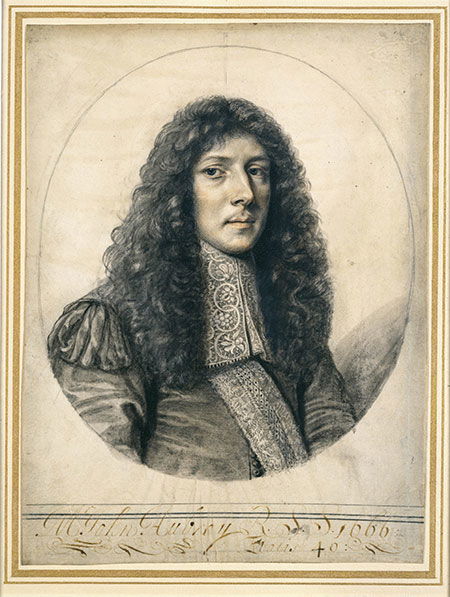
'Voluminous chaos': Portrait of John Aubrey by William Faithorne, 1666
What does it mean to write history today? What claims can historians make about their work? These are just two of the questions that sprang to mind after listening to Niall Ferguson tussle with the Pulitzer Prize-winning novelist Jane Smiley on Radio 4’s Start the Week in October.

Ferguson was attempting to clarify the distinction between historians and writers of historical fiction. ‘What happened and how it felt are not separate things’, he said:

Historians are as much concerned with how it felt – the difference is, we are actually basing it on research rather than our imaginations. People who write historical fiction are telling you what it must have felt like. But that’s not what it felt like, because essentially they’re projecting back, in [Jane’s] case early 21st century ideas. 

Ferguson, Harvard’s Laurence A. Tisch professor of history, has long been a proponent of the counterfactual, which – whatever its virtues and vices – is at heart an imaginative project. Indeed, Ferguson edited one of the leading books on the subject, Virtual History: Alternatives and Counterfactuals (1997).

Yet how do historians justify what they do? Certainly they can no longer pretend to Olympian distance and uninterested authority. We are all a product of the times we live in, fed by the oxygen of our experiences, and it is disingenuous to claim otherwise. We live in a multi-channel, multi-vocal era, which is sceptical of singularity and authority, but paradoxically attracted to narrow certainties and averse to self-doubt. How should historians adapt their practice to reflect these competing tensions? Doubt is central to intellectual enquiry, but by the time a work arrives in print, doubts have usually been effaced. The goal of historical research is to work our way out of doubt towards authority; perhaps work that articulates explicitly that process would better represent to the wider public what historians actually do.

Likewise, do historians challenge themselves enough to find an appropriate form for their ideas? They strive for originality of research and analysis, but how often do they strive for originality or inventiveness of form? The book or long-form essay may still be the best format historians have for sustained and rigorous argument. But do they default to it out of admiration, laziness, or cultural deference? After all, today’s cultural and technological fragmentation and diversity offers enormous opportunities for generically – and therefore intellectually – satisfying creativity to those with the requisite talent, ambition and desire. 

To take two examples in different media: Ruth Scurr’s My Own Life (2015) might best be described as an autobiographical biography of John Aubrey, piecing the great antiquarian’s life together out of the voluminous chaos of his published and unpublished writings. Elsewhere, and largely unmarked in the press, BBC television’s Footballers United, an innovative historical drama, recently won a Prix Italia for Best Digital Storytelling. It used its medium to create a touching and thoughtful narrative illuminated by archive materials actually embedded in it. Rather than a drama-documentary, it was a new thing: a documented drama.

To write history is to fill our glass with water from the Thames and claim we have captured the river. This is as true of Jane Smiley as it is of Niall Ferguson, but the author of fiction makes no claim to objective truth or authority and so may be more true to our times.

Certainly, the boundary between fiction and non-fiction is more porous than we like to think. Perhaps an approach to non-fiction historical writing that was more comfortable in acknowledging its subjectivity, its contingency and its intellectual frailties would challenge readers to think more deeply about the nature of history and its place in our culture.

Fonte: History Today
em 19:46:00 Nenhum comentário:
Enviar por e-mailPostar no blog!Compartilhar no XCompartilhar no FacebookCompartilhar com o Pinterest
Marcadores: clipping, clipping de artigo

Von der Aktualität universalgeschichtlicher Betrachtung

Als Leopold von Ranke gelassen das große Wort aussprach, die Weltgeschichte zeige kein Fortschreiten der Menschheit auf ein gesetztes Ziel zu, sondern „jede Epoche sei unmittelbar zu Gott“, da legte er wohl in seiner behutsamen Art die Axt an die Wurzel des neuzeitlichen Optimismus der Europäer. Aber ihm war doch nicht bewußt, daß er von „Epoche“ wie von „Gott“ in ganz und gar europäischem Sinn sprach. Denn Epochen erkannte er nur in der abendländischen Geschichte an, und der Gott, der sich in ihrem Wandel offenbarte, war für ihn der christliche Gott. 

Die Gleichsetzung von abendländischer Christenheit und Menschheit wurde erst von Oswald Spenglers Vehemenz angefochten. Seine These vom bevorstehenden „Untergang des Abendlandes“ versetzte dem Geschichtsbewußtsein der europäischen Elite einen Schock, für den es keine Therapie zu geben schien als das verblendete Sichfestklammern an den überkommenen Sendungsglauben. An die Stelle der Rankeschen Epochen traten bei Spengler die über den ganzen Erdball verteilten, einander ablösenden Kulturgestalten, die nicht mehr zum christlichen Gott „unmittelbar“ waren, sondern zu einer analogen, aber minder begrenzten Macht, der Spengler den Namen „Schicksal“ gab. 

Inzwischen haben die Ereignisse selbst dem naiven Europäismus der Neuzeit den Garaus gemacht. Wir sind unter recht merklichen Zuckungen in ein Zeitalter gekommen, das die „faustische“ Kultur unter das Gericht der Weltgeschichte stellt. Dabei zeigt sich, daß auch der Spenglersche Entwurf eines Kreislaufs der Kulturen noch europäisch gedacht war; er nahm das „faustische“ Abendland als die für unser Jahrhundert schlechthin typische und verbindliche Kulturgestalt und setzte ihr die außereuropäische Welt als das von außen andringende Barbarische entgegen. Der Bolschewismus und die „gelben Völker“ rückten für ihn zusammen als die große Gefahr von morgen, und er beachtete nicht, daß im Sowjetsystem gerade das „faustische“ Prinzip bis zum Extrem überspannt ist, während, sich in der nichtsowjetischen Alten Welt (islamische Länder, Indien, China, Indonesien) ein Konflikt abendländischer Einschiebungen mit den mehr oder minder (aber gerade dies Mehr oder Minder ist von weltgeschichtlicher Bedeutung) resistenten Formen der alteingewachsenen Kultur vollzieht. 

Das hat jene Kulturen, von denen man in Europa gemeint hatte, sie seien geschichtslos und also auch belanglos geworden – den Islam, den Hinduismus, den Buddhismus, den Taoismus –, zu äußerster geschichtlicher Aktualität gebracht. Es hat vor allem auch genötigt, eine Frage wieder aufzuwerfen, die man für längst erledigt hielt: die Frage nach der Stellung der Religionen in den Kulturen. In der europäischen Neuzeit hatte sich das Profane – Staat, Moral, Kunst – vom Religiösen so weit emanzipiert und dieses so weit in die Rolle einer Sondersparte der Kultur gedrängt, daß es zum Beispiel Spengler ganz selbstverständlich war, die nichtchristlichen Religionen in gleicher Rolle zu sehen – als Symptome gleichsam eines Kulturstils. 

Hier vor allem mußte und, muß der nachneuzeitliche Europäer gründlich umlernen. Es gilt zu erkennen, daß es bisher, seit Beginn der Menschheit, nur ein einziges Mal eine säkularisierte, das heißt vom Religiösen zunehmend emanzipierte Kultur gegeben hat: unsere modernabendländische, und daß diese zwar in ihren säkularisierten Elementen (der Technik, der Wissenschaft, der Organisation) sich zur Weltkultur auszubreiten anschickte, daß sie aber wegen eben dieses Charakters nicht Kultur ist wie die Kulturen, auf die sie bei ihrer Ausbreitung auftrifft. Die „Krise“ der modern-abendländischen Kultur, das Gericht, das über sie gehalten wird, ist nichts anderes als ihr Auftreffen auf intakte Kulturen – und in diesem Auftreffen entscheidet sich, vorher nicht bestimmbar, die Zukunft der Menschheit. 

Untergangsprophetien klammern sich starr an die ungünstige Eventualität; sie haben also nicht mehr Anhaltspunkte für sich als den Optimismus, den sie verspotten. Denn: „Es besteht kein Grund zu der Annahme, daß nicht auch der gegenwärtige Prozeß der Säkularisierung schließlich durch eine Bewegung in anderer Richtung, das heißt zum religiösen Glauben und zur geistigen Ordnung hin, abgelöst werden könnte.“ So lautet das Resümee eines weltweiten, ebenso profunden wie hellsichtigen, ebenso gedrängten wie sorgsamen Überblicks über den Funktionswandel der Religionen, den der englische UniversalhistorikerChristopher Dawson (nicht ganz so berühmt wie Arnold J. Toynbee, aber nicht, minder nennenswert als dieser) 1947 in Edinburgher Vorlesungen gab und den der Verlag L. Schwann, Düsseldorf, jetzt der deutschen Öffentlichkeit vorlegt (.„Religion und Kultur“. 304 S., Leinen 12,– DM). 

Ohne vertrauteste Kenntnis der nichtabendländischen Kulturen, der „primitiven“ (wofern es solche gibt) wie der höchstdifferenzierten, geht es dabei nicht ab; das sah schon Spengler, und das gab ihm den Vorrang vor der Zunft der Fachhistoriker, die seinen Willen zur universellen Erkenntnis vermessen fanden. Heute sind die wahren Präzeptoren Europas jene wenigen Gelehrten, die die Schranken des Europäismus übersteigen konnten, indem sie sich in das Spezifische aller Kulturen versenkten. Die Engländer Dawson und Toynbee gehören zu diesen Universalhistorikern, deren Wort gehört werden muß. In Deutschland ist seit Jahrzehnten Alfred Weber in diesem Sinn am Werk und beschreibt die Vielfalt der Kulturen als ineinander verwobene Aspekte einer inneren Einheit der Geschichte. 

Einer Sammlung seiner grundlegenden Erwägungen („Prinzipien der Geschichts- und Kultursoziologie“. R. Piper & Co. Verlag, München, 176 S., Leinen 13,50 DM) schließt er eine klassische Durchleuchtung der altägyptischen und der babylonischen Kultur – in ihrer Konstanz die schärfsten Gegensätze zur Dynamik der europäischen Neuzeit – an und zeigt damit, daß in der Tat jede, aber auch jede Epoche der Weltgeschichte, der gesamten, unmittelbar zwar nicht zum christlichen Gott als dem die Heiden verwerfenden, doch aber zu dem ist, was im Gestaltwandel der Götter dauert. 

Christian E. Lewalter 


Fonte: Zeit Online
em 15:09:00 Nenhum comentário:
Enviar por e-mailPostar no blog!Compartilhar no XCompartilhar no FacebookCompartilhar com o Pinterest
Marcadores: clipping, clipping de artigo, Leopold von Ranke

Suche nach dem Abendland

Hagen. Das Abendland ist eine deutsche Erfindung. Im Herbst 1522 saß Martin Luther auf der Wartburg und übersetzte die Bibel ins Deutsche. Bei Kapitel 2, Vers 1 des Matthäus-Evangeliums gönnte er sich eine kleine, folgenreiche Extravaganz. „Magi ab oriente“ stand in der lateinischen Vorlage, „die Weisen aus dem Sonnenaufgang“. Osten sagen wir heute dazu, Osten oder „Morgen“ sagte man zu Luthers Zeiten. Aber er schuf ein neues Wort und schrieb „die Weisen aus dem Morgenland“. Das bürgerte sich ein, und schon 1529 fand sich, in den Schriften eines anderen Reformators, auch das Gegenstück dazu: Abendland.

Damit war eine Vokabel in der Welt, die heute in aller Munde ist: Pegida demonstriert gegen die Islamisierung des Abendlandes. Was steckt hinter dem Begriff?

Abendland und Morgenland – das sagte zu Luthers Zeit nichts über Identitäten. Es waren Wörter für Himmelsrichtungen. „Abendlender“ waren zunächst die westlichen Nachbarn der Deutschen. Auch das Morgenland in der Weihnachtsgeschichte war ja nur eine Gegend östlich des Heiligen Landes – schon Kairo wäre aus dieser Perspektive tiefstes Abendland.

Die Osmanen vor Wien
Kaum war es erfunden, war es auch schon bedroht. Im selben Jahr 1529 standen die Osmanen das erste Mal vor Wien. Wer in der Bibel las, der erkannte in den heidnischen Heeren jene Reiter der Apokalypse, die das nahe Weltenende ankündigten. Durch die ständigen Türkenkriege, die nun folgten, sollte sich diese endzeitliche Panik vor den Osmanen 150 Jahre lang halten. Die Angst schlug sofort ins Gegenteil um, als die Osmanen 1683 entscheidend geschlagen waren.

Dass das Abendland in Deutschland zum Kampfbegriff christlich-konservativer Kreise wurde, lag am romantischen 19. Jahrhundert. Das politisch und wirtschaftlich rückständige Land der Dichter und Denker gab sich der Sehnsucht nach der guten Zeit hin – dem Mittelalter, als Europa einig und fromm war. „Das ganze Abendland bis zu dem Eise des Nordpols hinauf ist in dieser geistigen Bande der Kirche beiein­ander, die ganze Christenheit weiß sich als eine Gemeinschaft“, schwärmte der Historiker Johann Gustav Droysen 1847 über das Mittelalter. Wahrscheinlich war das ein Zerrbild.

Doch wo lag es, das Abendland? Grenzen waren Geschmackssache. Meist wurden die Länder Ost- und Südosteuropas dem Morgenland zugerechnet, sie waren zwar christlich, aber orthodox. Der Historiker Leopold von Ranke wollte nicht einmal Polen und Ungarn zum Abendland zählen.

Die Idee, dass das Abendland untergehen könnte (während die Welt sich weiterdreht), geht auf 1918 zurück, als Oswald Spenglers umstrittenes Buch „Der Untergang des Abendlandes“ erschien. Spengler prophezeite, dass die Länder des Westens ihre Führungsrolle verlieren und ihre Bewohner künftig ein Leben als bessere Arbeitssklaven fristen werden. Mit Spengler kam die Angst ums Abendland zurück. Aber zu Pegida gibt es Unterschiede. Für Spengler gehörte Nordamerika zum Abendland, für viele bei Pegida undenkbar. Und Spengler sah das Abendland nicht durch Muslime bedroht – sondern durch eben jenes Land, das Pegida gerne in Schutz nimmt: Russland.

An diese Vorstellung knüpften auch die Nationalsozialisten an, aber sie taten es spät. Das Abendland war ihnen zunächst egal. Sie pflegten ihre eigenen Geschichtsmythen, ordneten die Welt nach „Rassen“ statt nach Himmelsrichtungen. Der Ton änderte sich nach Stalingrad: Nun rief Hitler den Kampf um die „Rettung des Abendlandes“ aus – um auch jene zu gewinnen, die dem NS-System skeptisch gegenüberstanden. Spätestens jetzt war ein Zustand erreicht, den der Historiker Wolfgang Benz kürzlich so beschrieb: „Abendland ist ein ganz weiter Begriff, da lässt sich beliebig viel eintüten.“

Adenauer und die Ost-Grenze
Vom Abendland zu reden, kam aber noch einmal mit Konrad Adenauer in Mode. 1949 erklärte er bei seinem Amtsantritt als Bundeskanzler, den „Geist christlich-abendländischer Kultur“ zum Fundament seiner Arbeit machen zu wollen. Das war Anti-Nazi, und es legitimierte die West-Anbindung der Bundesrepublik.

In diesem Sinne wurde 1950 der Karlspreis ins Leben gerufen. Er sollte Persönlichkeiten ehren, die den „Gedanken der abendländischen Einigung“ fördern – und erinnerte dabei an das mittelalterliche Reich Karls des Großen. Das war heikel, denn dieses Reich umfasste zwar fast das ganze heutige Frankreich sowie die Schweiz, die Benelux-Länder, Österreich, Teile Italiens und Deutschlands. Doch hier reichte es kaum bis an den Unterlauf der Elbe. Adenauer, dem Rheinländer, wird das genügt haben, als er 1954 den Preis bekam. Aber aus heutiger Sicht ist es bemerkenswert, dass Dresden nicht dazugehörte. Ausgerechnet.

Achim Beer

Fonte: Der Westen.
em 15:12:00 Nenhum comentário:
Enviar por e-mailPostar no blog!Compartilhar no XCompartilhar no FacebookCompartilhar com o Pinterest
Marcadores: clipping, clipping de artigo

Too Tolerant of Terror?

The Victorians were wedded to fundamental tenets of liberalism, even when threatened with terrorism from abroad.

Inept: anarchist Martial Bourdon is blown up by his own bomb at Greenwich Park, illustration from the Chronicle, 1894.

The November terrorist attacks in Paris heightened concerns across the Channel. London has already endured its own experience of Islamist terror, in July 2005, though Britain has long faced terrorist threats. In the 1880s the Fenians, precursors of the IRA, bombed several targets in the capital, including the Tower of London and the offices of The Times. Around the turn of the century there was a widespread scare about anarchists, who had murdered innocents in Parisian cafés and a Barcelona theatre, as well as judges and heads of state. They were also active in Britain: a bomb-making factory was discovered in the West Midlands town of Walsall in 1892 and a device exploded prematurely near Greenwich Observatory in 1894, killing the bomber himself. That campaign gave rise to a plethora of sensational novels, the best-known of which is Joseph Conrad’s The Secret Agent(1907). Another, George Glendon’s The Emperor of the Air (1910), even anticipated 9/11. That is without going back to the Gunpowder Plot of 1605 or forward to more recent IRA bombings. Reactions to these threats, however, have varied. It is worth remembering how and why.

Victorian Britain was wedded to two great principles, which were supposed to distinguish her as a nation. The first was that she welcomed – or tolerated – foreign refugees, due to the lack of any effective legal means of denying entry to any foreigner who arrived, or the capacity to expel any immigrant, certainly any ‘political’ one. Victorian Britain put up with fierce foreign critics, including Marx and Engels, for many years and dozens of Continental anarchists. Added to this ‘free entry’ principle was another: massive public opposition to ‘espionage’. This made it difficult to find out what bombers and other malcontents were doing in Britain (not Ireland and the colonies, though, which were more rigorously policed). The latter principle was sometimes broken: at the beginning of the 19th century, against democrats and Chartists; in the middle of the century, when one man – Sergeant John Sanders – reported on French refugees; and from the 1880s, with the help of a new London Police ‘Special Branch’, charged with preventing Fenian attacks. These however were exceptions and usually rather incompetent. (The Special Branch was still keeping a watch on Marx two years after his death.) They also kept themselves hidden from the public, Parliament and even ministers (Gladstone once deliberately absented himself from a Cabinet meeting because he knew the subject of surveillance was coming up). 

If hints of underhand police activity ever got out, there was usually a public outcry. One government got into serious difficulties in 1844 when it was discovered that the letters of the Italian revolutionary Giuseppe Mazzini were being opened at the Post Office; another fell (though this was not the sole reason) in 1858, when Palmerston tried to pass legislation enabling foreigners in Britain to be tried in the country – though not expelled, which was out of the question – for terrorist acts committed abroad. That was because foreign governments were increasingly irate at Britain for sheltering these desperadoes, almost as if – as one French propagandist claimed – it was deliberately using them to undermine its European rivals.

Many of Britain’s rulers sympathised, though they could not admit this in public. They had a lot in common with their aristocratic cousins overseas – more perhaps than with most of their fellow subjects. The latter viewed espionage as intrinsically dishonourable and prone to corruption. Indeed, the Metropolitan Police’s earliest plain-clothes branch seemed to bear that out when it was implicated in a betting fraud that it was supposed to be investigating. In the 20th century, when the secret services finally emerged, albeit mistily, agents were suspected of plotting against governments they did not like. You could not trust them, nor any government that resorted to such practice. And trust was necessary to keep the populace loyal. ‘Should the practice of spydom become universal’, pronounced The Times in 1859, ‘farewell to all domestic confidence and happiness.’ 

Indeed, ‘spydom’ was held to be one of the causes of much of the unrest to be seen on the Continent. Terrorism was nurtured by what today we would call ‘police states’. It followed (a) that it was the fault of foreign governments, if terrorists caused them problems; and (b) that they could do little harm in Britain. Palmerston expressed this concept picturesquely in 1852:


A single spark will explode a powder magazine, and a blazing torch will burn out harmless on a turnpike road. If a country be in a state of suppressed internal discontent, a very slight indication may augment that discontent, and produce an explosion; but if the country be well governed, and the people be contented, then letters and proclamations from unhappy refugees will be as harmless as the torch upon the turnpike road.

This boosted Britons’ amour propre immensely; which was perhaps the main reason why they neglected the most obvious counter-terrorist measures – secret policing and the power to exclude or expel foreigners – until 1905 (the first modern Aliens Act) and 1911 (when MI5 was born). It showed how superior Britain was.

Happy days. Circumstances are different now. If 19th-century anarchists and modern jihadists have much in common – chiefly a bestial disregard for human life – today’s suicide bombers’ disregard for their own lives, encouraged by a perverted form of their religion, makes them more dangerous, as does their access to far more dangerous and efficient weaponry. (The Greenwich bomber did not intend to blow himself up; the advance of terror is an example of history beginning as farce and ending in tragedy.) So Britain’s ‘surveillance state’ (with its accompanying CCTV cameras, largely absent in Paris) and the new counter-terrorist powers sought by governments may be justified. Even so, Britons should be aware of what they have lost as a nation by embracing such measures: an essential part of their historical identity, no less. They should also ponder the reasons for Victorian objections to secret domestic surveillance, in particular. Some of these may still stand.

Bernard Porter’s latest books are British Imperial: What the Empire Wasn’t andEmpire Ways, a collection of essays (both IB Tauris, 2015).

Fonte: History Today
em 14:51:00 Nenhum comentário:
Enviar por e-mailPostar no blog!Compartilhar no XCompartilhar no FacebookCompartilhar com o Pinterest
Marcadores: clipping, clipping de artigo
Postagens mais antigas Página inicial
Assinar: Postagens (Atom)

O QUE VOCÊ PROCURA?

  • página inicial / homepage
  • agenda cultural
  • notícias, artigos na mídia e vídeos
  • Leopold von Ranke
  • textos de história da historiografia / texts about history of historiography
  • textos de historiografia alemã / texts about German historiography
  • material de apoio

Buscar / Search

Arquivo do blog

  • janeiro (7)
  • março (11)
  • fevereiro (6)
  • janeiro (49)
  • dezembro (40)
  • novembro (13)
  • outubro (34)
  • março (2)

Links

  • Fontes Históricas
  • História em Perspectiva
Tema Simples. Tecnologia do Blogger.